Beyond Council Chambers: How Southern Alberta Municipalities Can Use Documentary Video to Build Community and Attract Investment
Why documentary-style video builds trust for Southern Alberta municipalities — and how to approach it strategically.
on January 2, 2025 • 6 Min Read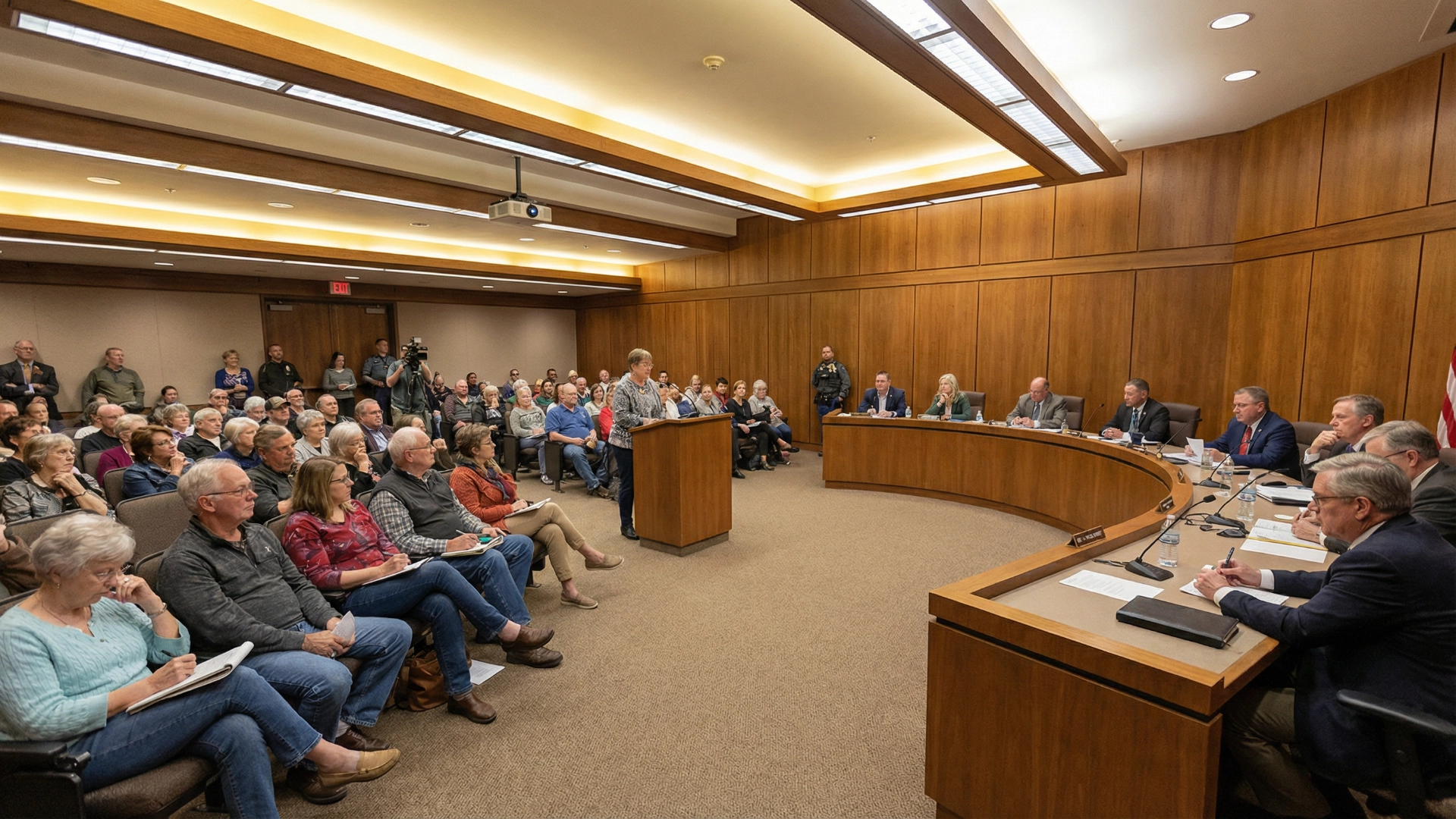
When’s the last time you voluntarily watched a municipal video all the way through?
Most people can’t answer that question. And that’s the problem.
Across Southern Alberta, municipalities invest in video content that checks internal boxes but fails to connect with the people it’s meant to serve. Council chamber recordings. Infrastructure announcements read from teleprompters. Generic tourism reels that could be from anywhere in Western Canada.
The content exists. But it doesn’t work — not because video is the wrong medium, but because the approach is wrong.
Documentary-style storytelling offers a different path. One built on authentic human stories, transparency, and the kind of trust that municipal governments need but rarely earn through traditional communications.
Why Most Municipal Video Fails
Municipal video tends to sound like government talking to itself.
The language is institutional. The visuals default to council chambers, ribbon cuttings, and aerial shots of infrastructure. The content is designed to satisfy internal stakeholders — elected officials, department heads, communications committees — rather than the residents, businesses, and investors it’s supposed to reach.
The result: videos that get posted and ignored. Low completion rates. Minimal sharing. A growing disconnect between municipal services and community understanding.
This isn’t a production quality problem. It’s a strategic one.
Common patterns we see:
- Generic corporate language that reads like compliance rather than communication
- No narrative structure — information delivery without story
- One-size-fits-all content that ignores different audience needs (residents, investors, tourists, Indigenous partners)
- No connection to measurable outcomes — videos posted without clear objectives or success criteria
What Documentary-Style Video Does Differently
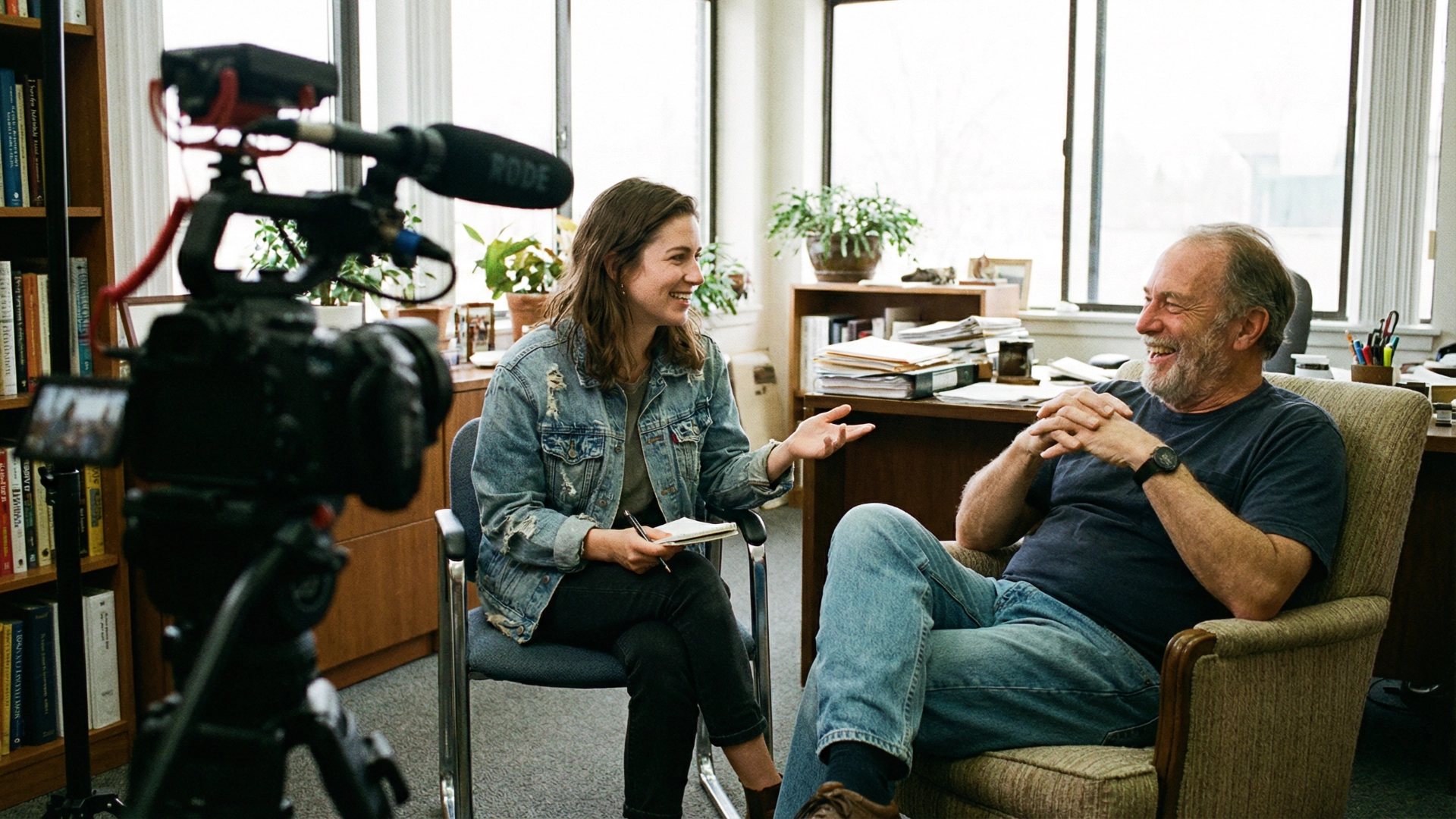
Documentary storytelling changes the relationship between a municipality and its audience. Instead of announcing decisions, you show the people and processes behind them. Instead of promoting achievements, you let residents and community members tell the story in their own words.
This matters because municipal communication has a trust problem that corporate-style video can’t solve. Residents aren’t customers being sold a product. They’re stakeholders who fund the operation and deserve to understand it.
Budget Transparency
Imagine following a family’s property tax payment from the moment it’s collected to the moment it repairs a county road. Showing the actual equipment operators, road crews, and the families whose daily commute is safer because of the investment.
That’s different from a pie chart on a PowerPoint slide. It creates understanding, not just information.
Economic Development
A municipality trying to attract investment can list incentive programmes and tax rates in a brochure. Or it can feature local entrepreneurs sharing real stories of how the community supported their growth — showing the actual business environment rather than selling an abstract promise.
Community Engagement
When a rural municipality wants to attract young families, it can create a recruitment ad. Or it can produce “day in the life” documentaries featuring real families across different industries — farming, manufacturing, education, healthcare — showing the daily rhythms that make a community worth joining.
In each case, the documentary approach builds something a polished promotional video cannot: credibility.
What Makes Municipal Video Different from Corporate
Most video producers approach municipal work with the same playbook they use for corporate clients. That’s where projects go wrong.
Taxpayers, not customers. Corporate video sells to potential buyers. Municipal video communicates with people who already fund the operation. The tone, the transparency, and the metrics for success are fundamentally different.
Conflicting stakeholder groups. Municipal video must simultaneously serve residents, council, staff, businesses, Indigenous communities, and regulatory bodies. Each group has different needs. Documentary storytelling allows multiple audiences to find themselves in the same narrative.
Trust over persuasion. Corporate video aims to generate sales. Municipal video aims to build understanding and legitimacy. That means transparency isn’t optional — it’s the foundation.
Compliance and accessibility. Municipal content must meet accessibility standards, may be subject to freedom of information requests, and carries documentation obligations that commercial video doesn’t. These requirements need to be built into the production process from the start, not bolted on at the end.
Four Use Cases That Matter Most
1. Infrastructure Projects
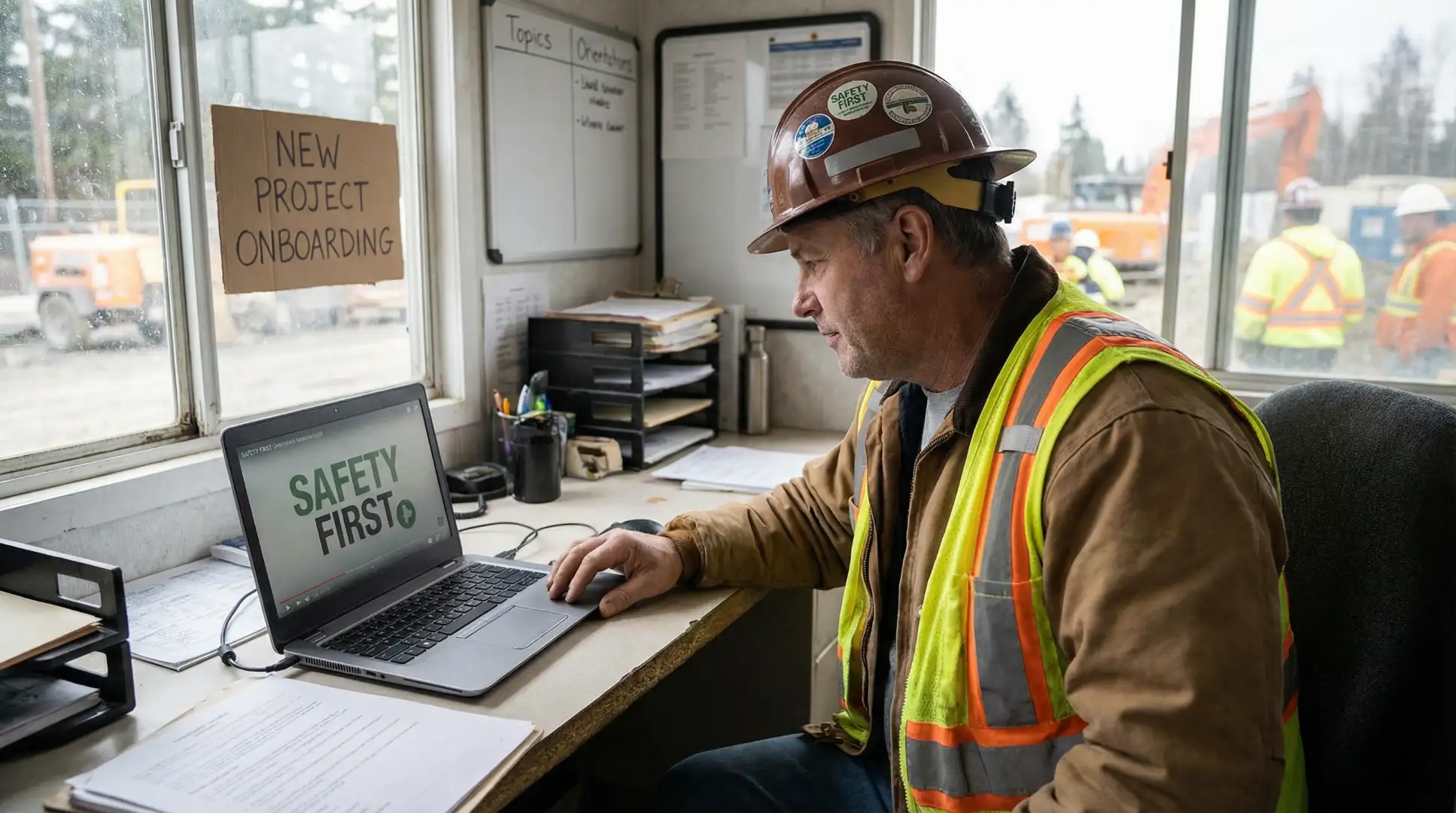
Large capital projects generate public scrutiny. Documentary video that follows a project from planning through completion — featuring the workers, the engineering decisions, the community impact — builds understanding and reduces opposition born from confusion.
2. Tourism and Economic Attraction
Investment attraction videos that feature real business owners and real community life outperform generic promotional content. Prospective investors and skilled workers want to see the actual environment, not a marketing version of it.
3. Emergency Communications
Documentary-style preparedness content — showing first responders in action, community protocols, and real stories of how systems work — builds the comprehension that saves lives when emergencies happen.
4. Community and Cultural Storytelling
Stories that connect residents to place, celebrate local identity, and include Indigenous perspectives and partnerships build the social cohesion that makes communities resilient. This is especially relevant in Southern Alberta, where the relationship between municipalities, rural communities, and Indigenous nations shapes regional identity.
Common Mistakes to Avoid
Treating municipal video like advertising. Promotional content convinces people to buy something. Municipal communication helps people understand something they’re already paying for. The difference matters.
Avoiding difficult topics. Content that only celebrates accomplishments doesn’t build trust. Documentary techniques allow municipalities to address contentious issues honestly — showing the decision-making process and community input, not just the outcomes.
Ignoring accessibility from the start. Captions, transcripts, clear audio, and mobile-first design aren’t optional for public content. Retrofitting accessibility is always more expensive than building it in.
Measuring views instead of outcomes. Social media engagement doesn’t tell you whether residents understand their budget, whether investors are considering your region, or whether emergency preparedness improved. Municipal video should be measured against municipal objectives.
Questions to Ask Before Starting
If you’re a municipal leader considering documentary video, these questions will help clarify whether the approach — and the partner — is right:
-
What specific municipal outcome are you trying to achieve? Budget comprehension, economic development, community engagement, and emergency preparedness all require different strategies.
-
Who are the specific audiences you need to reach? Residents, investors, tourists, and Indigenous partners have different needs. A single video rarely serves all of them well.
-
What cultural protocols need to be observed? Indigenous consultation requirements, community partnerships, and regional sensitivities should be addressed before production begins.
-
How will you measure success? Connect metrics to municipal objectives, not vanity numbers.
-
Does your production partner understand municipal governance? Stakeholder complexity, approval processes, compliance requirements, and public accountability are fundamentally different from commercial work.
Why This Matters Now
Southern Alberta municipalities are entering a period where professional video communication isn’t optional. Provincial funding is shifting. Economic competition is intensifying. Younger demographics entering voter and taxpayer pools expect video as a primary communication channel.
The municipalities that invest in authentic, well-produced documentary content will build stronger relationships with their residents, attract more investment, and create the civic pride that retains families and skilled workers.
The ones that keep posting council chamber recordings will keep wondering why no one’s watching.