How to Prepare Your Team for the Camera (A Guide for Non-Actors)
Nervous about being filmed? You're not alone. Here's a practical guide to help your team feel comfortable, look natural, and sound authentic on shoot day.
on December 18, 2025 • 8 Min Read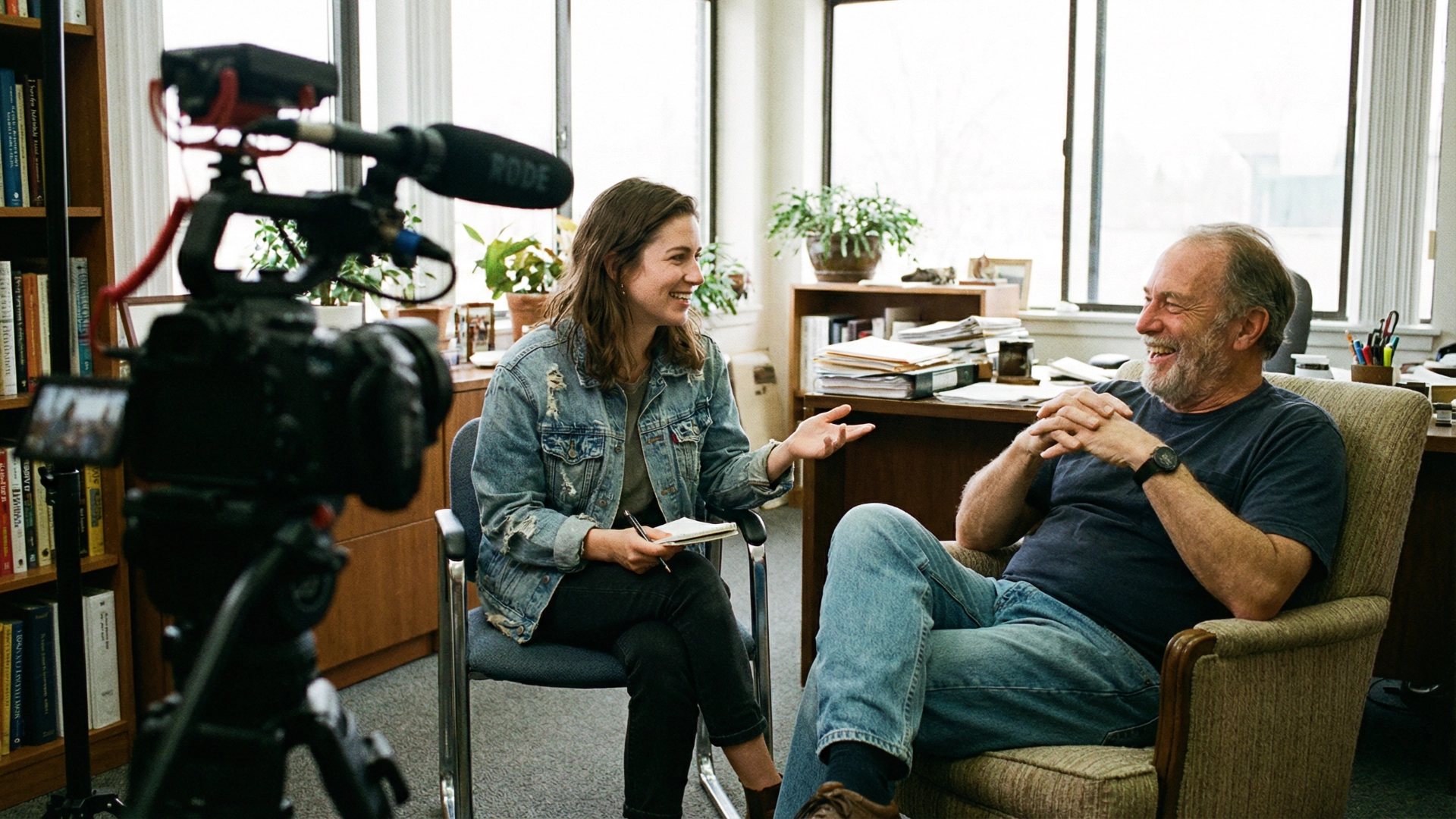
Forget the script. Ignore the lens. Just be you.
“I’m not an actor.”
It’s the first thing we hear on almost every shoot. And our response is always the same: “Good. We don’t want you to be.”
If we wanted actors, we would have hired them. We’re filming you because you know the business, you live the culture, and you have the expertise.
But we get it. A camera lens can be intimidating. Even the most confident CEO can freeze up when the red light turns on.
The goal of this guide is simple: to de-mystify the process and help your team show up as their best, most authentic selves.
The Golden Rule: Don’t Memorize a Script
This is the biggest mistake people make. They try to memorize a “perfect” answer.
Here’s what happens:
- You get nervous trying to remember the exact words.
- Your eyes glaze over as you recite them from memory.
- If you miss one word, you panic and stop.
- You sound like a robot.
Instead: Know your talking points, not your lines.
If we ask, “Tell us about your safety culture,” don’t memorize a corporate mission statement. Just think about what you’d tell a new employee on their first day.
Real example from a recent shoot:
We interviewed a manufacturing operations manager. She was terrified. She’d written out answers word-for-word.
First take, she read from memory. It was terrible—robotic, lifeless, no eye contact.
We stopped. Put the notes away. Asked her instead: “Tell me about a time safety protocols actually saved someone.”
She lit up. “Oh—last month, one of our welders noticed a crack in a pressure vessel during inspection. He could have ignored it, kept working. But he stopped the line, called engineering. Turned out the crack could have caused an explosion. That’s safety culture.”
That story made the final cut. The memorized answer didn’t.
How to prep without scripting:
- Know your 3 key messages (not word-for-word, just concepts)
- Think of specific examples for each point
- Practice telling the stories out loud to a colleague (not reading)
- Forget the exact words when the camera starts
What to Expect on Shoot Day
Fear comes from the unknown. Here’s exactly what the environment will feel like:
It won’t be live.
There is no “live” TV here. If you stumble, we stop. We laugh. We start over. We might film 30 minutes of conversation to get 30 seconds of gold. The editor’s job is to make you look articulate and smart. You cannot “ruin” a take.
It’s a conversation, not a speech.
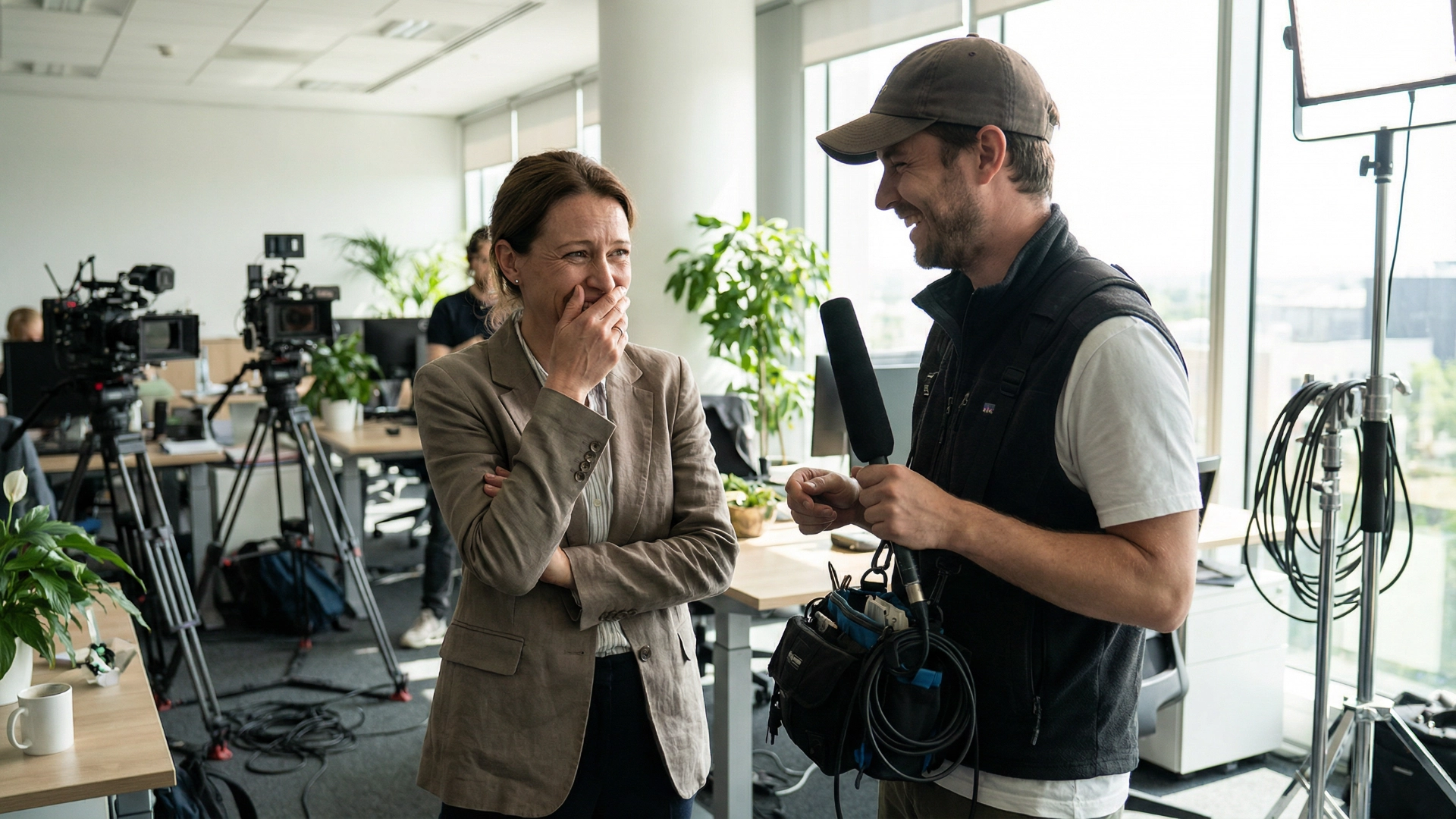
You won’t be staring down the barrel of a lens (unless it’s a specific direct-to-camera message). You’ll be looking at an interviewer—a real human being—sitting just off-camera. You’re just having a chat. The camera is just eavesdropping.
There will be lights (and silence).
It might feel a bit bright. The room will be quiet. People might be standing around listening. This is normal. Take a breath.
The actual timeline of a typical interview:
15 minutes before: Sound check and mic placement
- We clip a tiny microphone to your shirt/collar
- Test audio levels while you chat casually
- This is when people relax—they realize we’re just regular humans
5 minutes before: Framing and lighting adjustments
- We position the camera and lights
- You sit still for 30 seconds while we check focus
- Director explains what questions we’ll ask
During interview (20-40 minutes):
- Conversational back-and-forth
- We ask the same question different ways if needed
- Pauses are totally fine (we edit them out)
- If you mess up, just stop and start the sentence again
After interview:
- “Did we miss anything you wanted to say?”
- B-roll footage while you’re working or walking
- You’re done—usually 45-60 minutes total
What surprises people most: How casual it feels. No shouting “action!” No clapperboards. Just a conversation with lights.
Wardrobe: What to Wear (and What to Avoid)
You want to look professional but comfortable. If you never wear a tie, don’t wear one now.
The “No-Go” List:
- Tight patterns: Tiny checks, pinstripes, or herringbone can cause a “moire effect” (a weird vibrating visual glitch on camera). Solids are safer.
- All White or All Black: Pure white can blow out (look glowing), and pure black can lose all texture.
- Noisy Jewelry: Dangling earrings or bracelets that clatter on the table can ruin audio.
- Logos: Avoid giant logos (unless it’s your company branding).
The “Yes” List:
- Solid colors: Blues, greys, earth tones, and pastels look great.
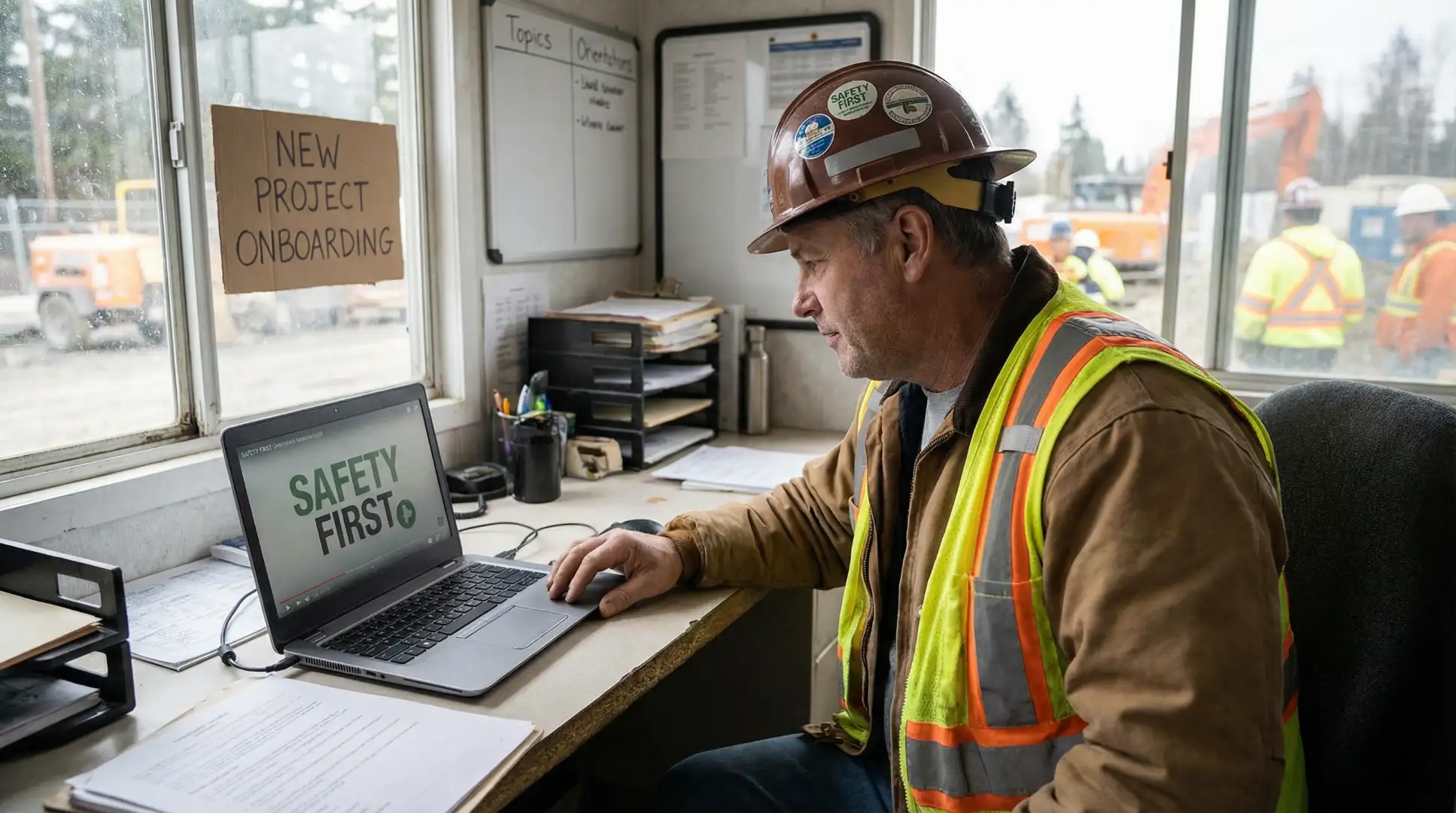
- Your Uniform: If you wear PPE or a branded polo every day, wear that! Authenticity wins.
- Comfort: If you feel stiff in a suit, you’ll look stiff. Wear what makes you feel confident.
Body Language Hacks
- Plant your feet. If you’re standing, don’t sway. Plant your feet shoulder-width apart.
- Sit on the edge. If you’re sitting, don’t slouch back into a soft chair. Sit on the front edge—it naturally straightens your posture and keeps your energy up.
- Use your hands. If you talk with your hands normally, do it on camera! It adds energy. If you don’t know what to do with them, just rest them comfortably in your lap.
The “natural” look isn’t accidental—here’s what we’re actually doing:
For seated interviews:
- Sit forward in the chair (not slouched back)
- Feet flat on floor, shoulder-width apart
- Hands resting on lap or armrests (not gripping tight)
- Shoulders relaxed, not hunched
- Look at the interviewer, not the camera
For standing B-roll:
- Move naturally—we’ll follow you
- Don’t pose or freeze when you hear the camera
- If demonstrating something, do it at normal speed first, then slower for close-ups
- Talk while you work (we capture audio even during B-roll)
Common nervous habits we edit out (so don’t stress):
- “Um,” “uh,” “like,” “you know”
- Starting a sentence, stopping, restarting
- Looking down while thinking
- Adjusting glasses or hair
- Clearing throat
What we can’t fix:
- Swaying back and forth (makes us motion sick in editing)
- Speaking too quietly (even with a mic, we need volume)
- Zero eye contact (makes you seem dishonest even if you’re not)
The Pre-Interview Conversation That Changes Everything
Here’s a secret: the best footage often comes after we’re “done.”
We’ll finish the formal interview, turn off the lights, and chat casually while packing up. That’s when people relax and say the most authentic thing of the day.
Smart move: When we ask “anything else you want to add?”—this is your chance. Tell the story you were too nervous to share earlier.
For the Leadership: How to Prep Your Employees
If you’re asking your team to be on camera, set them up for success.
- Tell them WHY. “We’re filming you because you led the XYZ project, and nobody knows it better.” Make them feel valued, not conscripted.
- Give them notice. Don’t spring it on them the morning of.
- Make it optional. A reluctant interviewee always looks uncomfortable. Find the people who are willing (or at least gently persuadable).
The Pre-Shoot Email Template (Send 3-5 Days Before)
Subject: Quick heads up about video shoot on [Date]
Hi [Name],
Looking forward to filming with you on [Date] at [Time]. Should take about 45-60 minutes total.
A few things to make your life easier:
WHAT TO WEAR:
- Whatever you’d normally wear to work
- Solid colors work best (avoid tiny patterns)
- If you wear PPE/uniform daily, wear that
WHAT WE’LL TALK ABOUT:
- Your role and what you actually do
- [Specific project/achievement]
- What you’d tell someone considering working here
NO NEED TO:
- Memorize anything
- Prepare formal answers
- Stress
We’re just having a conversation. If you mess up, we stop and try again. The editor makes everyone sound smarter than they are.
Questions? Call me: [Phone]
See you [Date], [Name]
Day-Of Prep:
1 hour before shoot:
- Quick reminder email: “Shooting in your office at 2 PM. See you soon!”
- Gives them time to mentally prepare without overthinking
When crew arrives:
- Introduce everyone by name and role
- “This is Sarah, our director. Mike on camera. I’m handling sound.”
- Reduces the “strangers in my space” anxiety
Before interview starts:
- Offer water, bathroom break
- “We’re going to start with some easy questions to warm up”
- First question is always softball: “Tell me about your role here”
The Bottom Line
The best moments in our documentaries aren’t the polished, perfect sentences. They’re the moments of real passion. The laugh after a joke. The thoughtful pause before a deep answer.
We can light you perfectly and record you clearly, but only you can bring the authenticity.
So take a breath. Trust the crew. And just tell your story.
Planning a shoot? Share this guide with your team to help them get ready.